
How Climate Shapes the Taste of Coffee
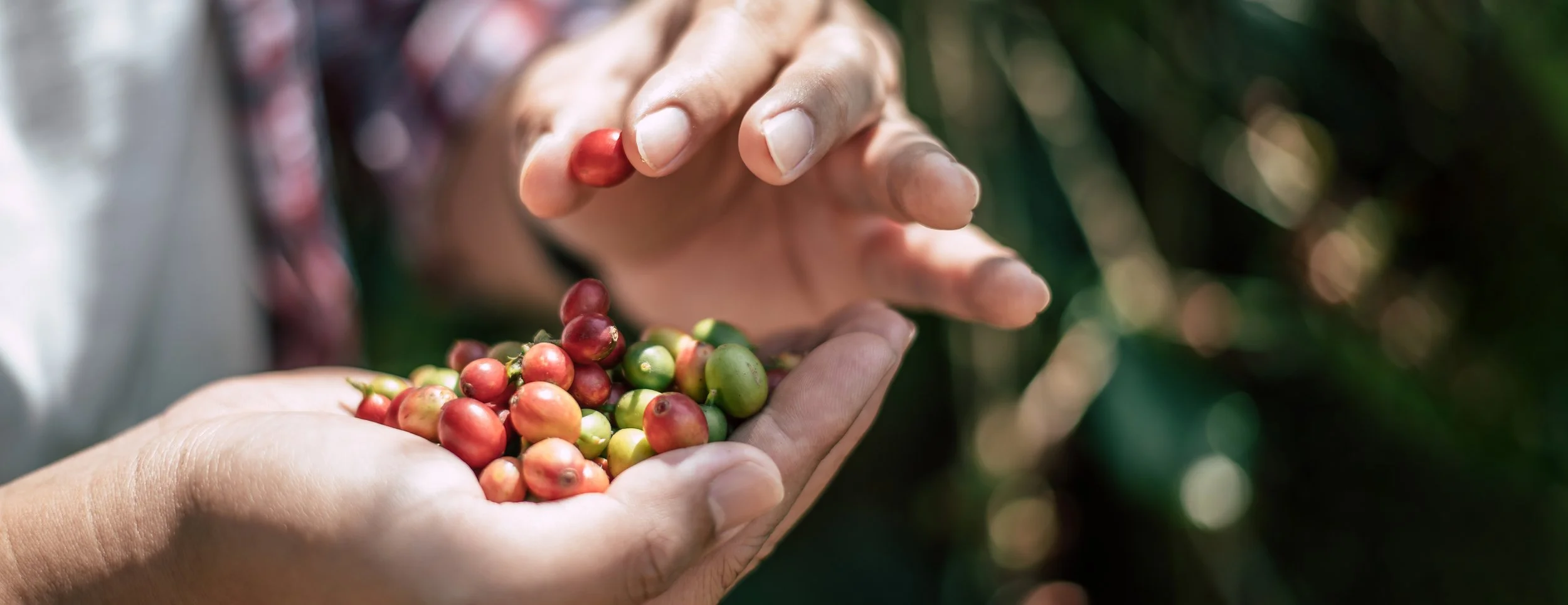
Coffee is one of the most complex beverages in the world. Even small changes in where and how it’s grown — soil, rainfall, altitude, and sunlight — can transform its flavor, aroma, and sweetness. In this article, we’ll explore how the climate and growing environment shape the taste of coffee beans.
What Is “Terroir”?
Professionals use the term terroir to describe the unique combination of environmental factors that influence a crop’s flavor. For coffee, terroir includes:
Rainfall
Soil composition
Temperature
Sunlight exposure
Altitude
Each factor affects how the coffee plant grows and how the cherries develop their sugars, acids, and aromatic compounds.
Rainfall
Coffee is extremely sensitive to how much rain it receives.
☕ Too little (below 800 mm/year) — the soil dries out, trees weaken, yields drop, and cherries remain small.
🌧 Too much (above 3,000 mm/year) — nutrients wash away, roots rot, and the flavor suffers.
The ideal range is 1,500–2,500 mm of evenly distributed rainfall per year, followed by a short dry season (1–2 months) during harvest. Rain triggers flowering, but once the trees bloom, too much moisture can destroy delicate buds or cause cherries to split.
Still, the effect of rainfall depends heavily on the type of soil, drainage, and sunlight — dry conditions are always harmful, but heavy rainfall can be both a blessing or a curse depending on the farm’s terrain.
Soil
The soil feeds the coffee plant with water and essential minerals: nitrogen, phosphorus, potassium, calcium, and magnesium. The better the soil, the richer and more balanced the flavor.
Coffee trees dislike both drought and stagnation. Good drainage is critical — the soil should hold moisture without becoming muddy. Waterlogged roots invite fungi and mold, while dry soil leaves trees undernourished.
Ideal coffee soil is loamy — roughly 40% sand, 40% silt, and 20% clay. It holds water, allows air circulation, and prevents nutrient loss. Loamy soils are common in volcanic regions like Colombia, Costa Rica, and parts of Ethiopia — places known for vibrant, clean cup profiles.
Temperature
Coffee thrives when days are warm and nights are cool. A wide temperature range (around 15–30°C during the day, dropping significantly at night) helps beans develop sweetness, acidity, and complexity.
When days are too hot (above 30°C), trees stress and cherries ripen too quickly. Frost, even brief, kills the plants.
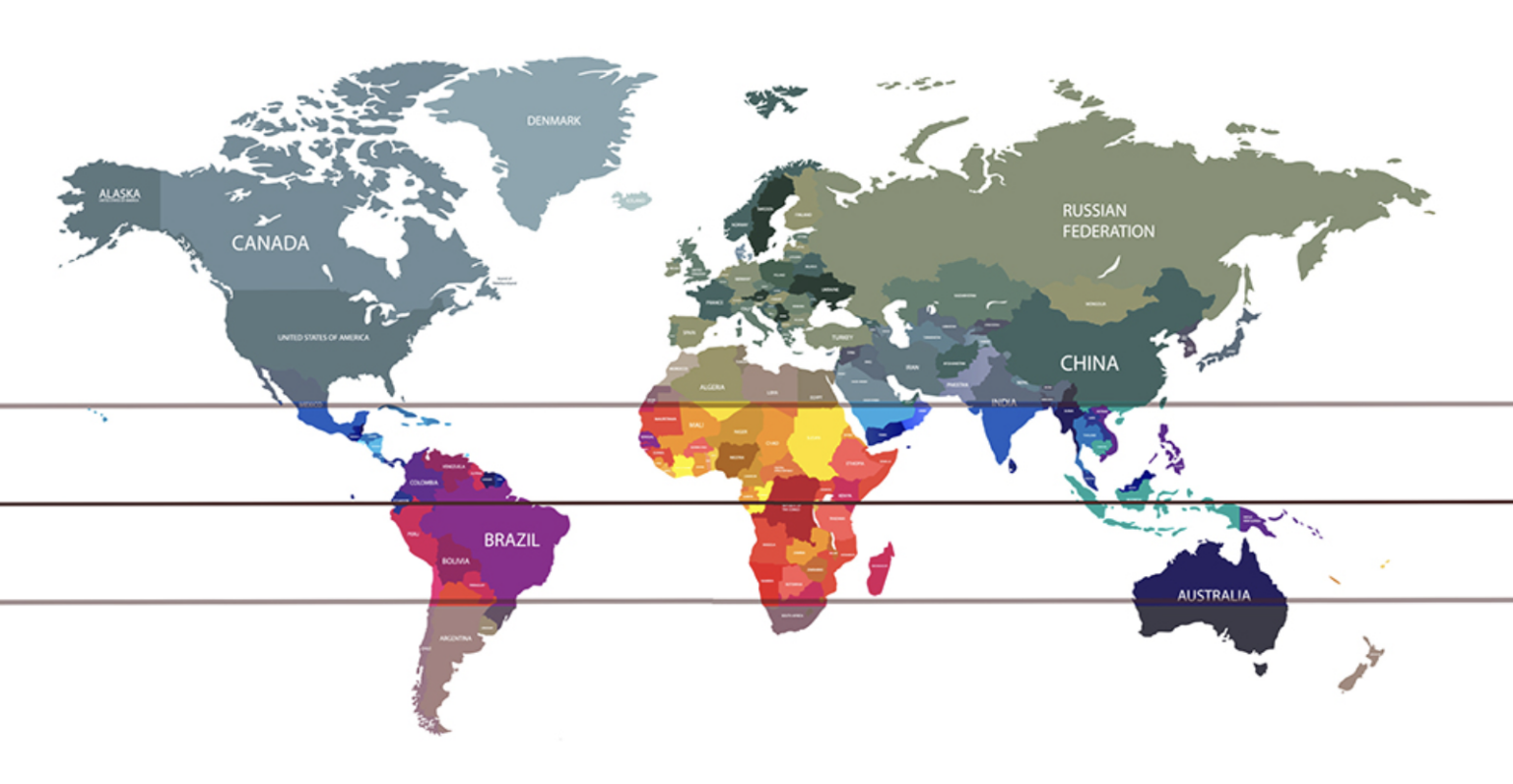
This balance is only found within the coffee belt — the zone between the Tropics of Cancer and Capricorn — where warmth, humidity, and elevation create the perfect growing rhythm.
Sunlight
Coffee loves light but not direct exposure. Too much sunlight accelerates ripening, leading to large harvests but flat flavors. Shade slows down maturation, allowing beans to accumulate more sugars and aromatic compounds.
Cloud cover is ideal — it diffuses sunlight, keeps temperatures mild, and balances photosynthesis. Farms facing east often produce higher-quality coffee, as they receive gentle morning light instead of harsh afternoon heat.
Altitude
Almost always, the higher the farm, the better the coffee.
At higher altitudes, the air is cooler, and day-night temperature differences are stronger. Beans mature slowly, developing denser structure and more complex sugars — resulting in a cleaner, fruitier, and brighter cup.
Arabica grows best at 900–1,800 m above sea level.
In Africa, it can reach 2,000 m and more.Robusta tolerates 0–600 m and harsher climates but produces simpler, more bitter coffee with less acidity.
Altitude also affects soil drainage — high-mountain soils are rocky and rich in minerals, keeping roots healthy and free of excess moisture.
Global Growing Regions
Arabica thrives in two main climate types:
Subtropical (16–24° latitude) — distinct wet and dry seasons, elevations 600–1,200 m.
Found in Mexico, Jamaica, Zimbabwe, and much of Brazil.Equatorial (0–10° latitude) — abundant rainfall, elevations 1,100–1,900 m, and nearly continuous flowering.
Common in Kenya, Colombia, and Ethiopia, where harvest happens twice a year.
Robusta grows closer to the equator, at lower elevations — mainly in Vietnam, Uganda, and Indonesia — where heat and humidity dominate.
Beyond Climate: Other Factors
Terroir is only one part of the coffee story. Bean variety, processing method, drying and storage, roasting style, and brewing water all shape the final flavor. The same farm can produce very different results depending on how it handles post-harvest processes.
Coffee is a whole universe — a product of geography, chemistry, and craft — and that’s what makes it endlessly fascinating.
