
Modern and experimental coffee processing methods — PART 2
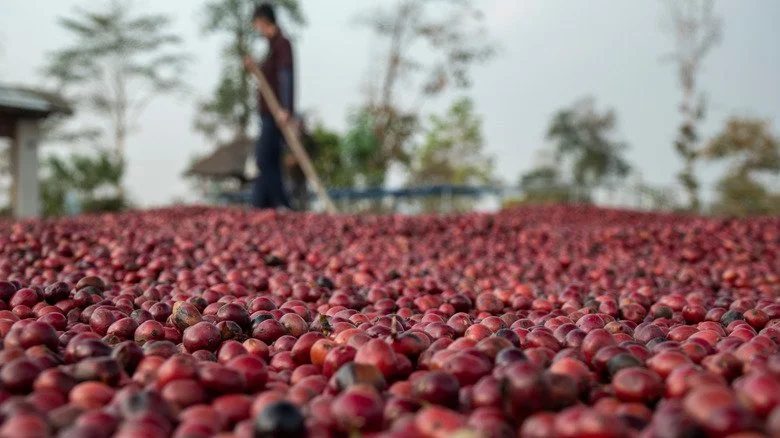
Introduction: Why Experimental Processing Emerged
For centuries, coffee was processed using classic methods: natural, washed, honey, and wet-hulled. These approaches still form the foundation of the industry.
However, the rise of specialty coffee has changed priorities. Today, farmers aim not only to preserve the seed but also to unlock its full sensory potential.
Growing competition, scientific research, better access to technology, and increasing consumer interest in unique flavors have led to a wave of experimental processing methods. These techniques allow producers to control fermentation at the level of microorganisms, oxygen, pressure, temperature, and chemical composition.
Below are the most significant and influential modern methods shaping today’s specialty market.
Anaerobic Fermentation
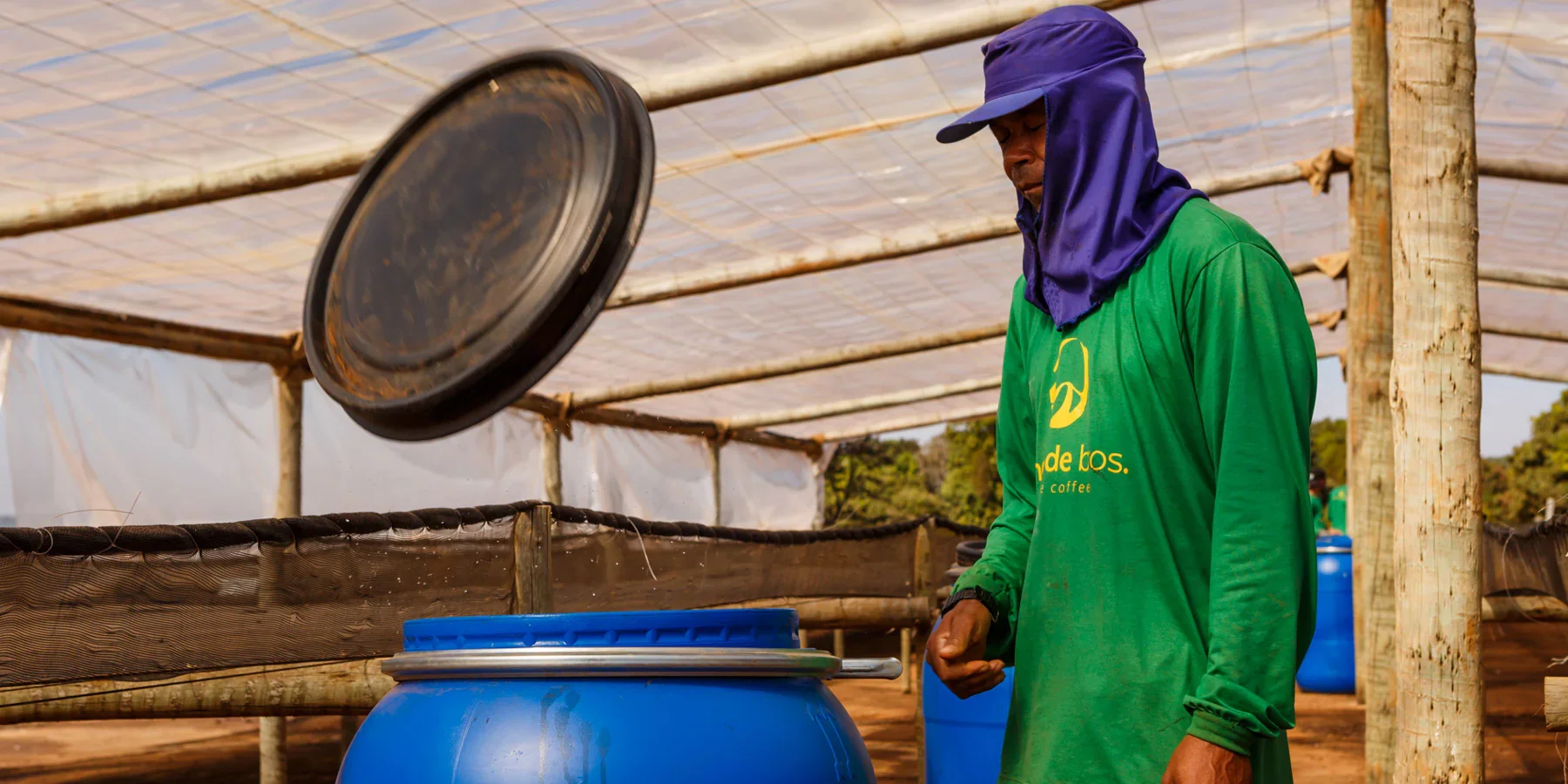
Anaerobic processing has become one of the biggest trends of the past decade.
In this method, whole cherries or depulped seeds are placed into sealed tanks, and oxygen is removed.
With no oxygen present, microorganisms behave differently, producing more complex acids and aromatic compounds.
Process
cherries or depulped seeds are placed into airtight tanks
oxygen is displaced by CO₂ or vacuum
temperature and pressure are monitored
fermentation lasts from 24 to 120+ hours
coffee is then dried using any traditional method
Flavor Profile
intense fruit notes
deep fermentation character
elevated sweetness
flavors reminiscent of berries, tropical fruit, cider, or red wine
Carbonic Maceration
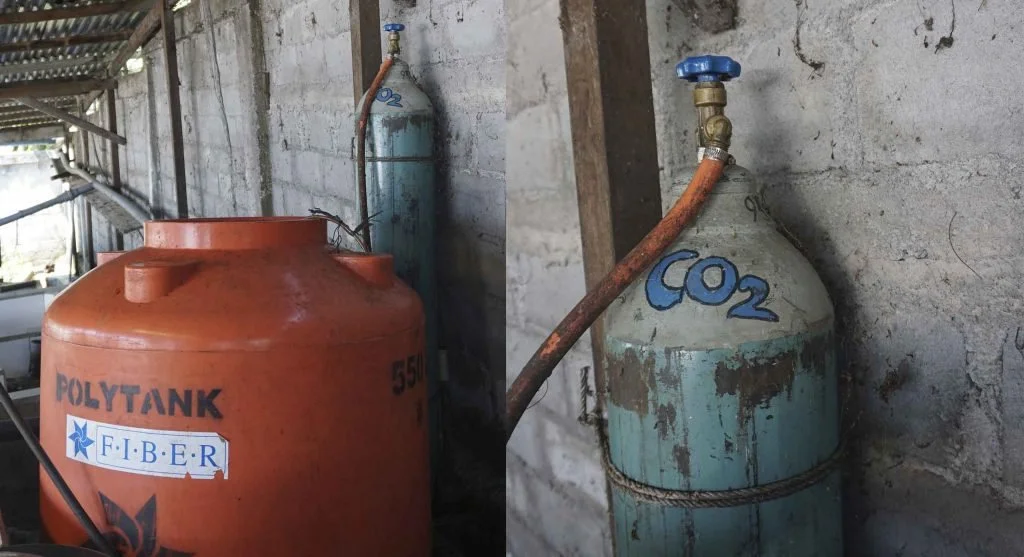
Inspired by winemaking, especially Beaujolais Nouveau, carbonic maceration uses CO₂ under pressure rather than simple anaerobic conditions.
What CO₂ changes
Carbon dioxide suppresses certain microorganisms, allowing fermentation to progress slowly and evenly while developing highly complex aromatic molecules.
Flavor Profile
structured, layered flavor
pronounced fruit and floral notes
evolving cup profile as the coffee cools
red fruit, spice, and tropical fruit characteristics
Carbonic maceration is common in competition coffees.
Lactic Fermentation
Make it stand out
Whatever it is, the way you tell your story online can make all the difference.
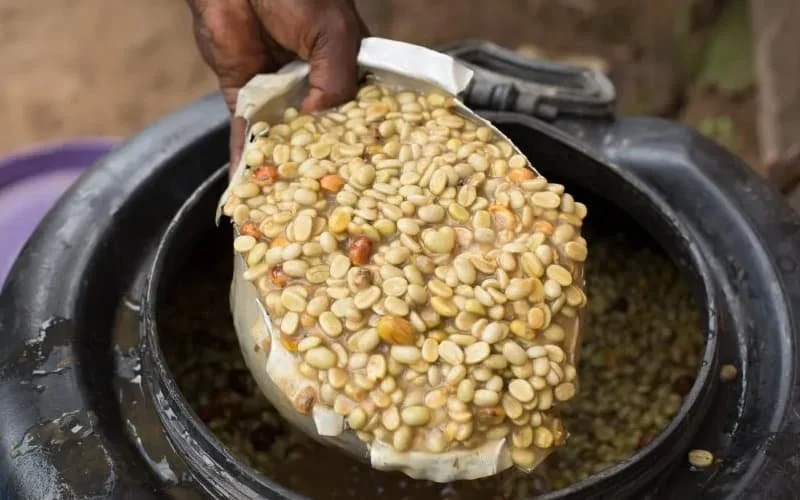
This method introduces Lactobacillus cultures — the same bacteria used in yogurt, kefir, and kimchi.
Lactic bacteria produce lactic acid, leading to a creamy, smooth acidity and pronounced sweetness.
Process
cherries or depulped seeds are placed into airtight tanks
Lactobacillus is added
fermentation occurs at controlled pH
coffee is then dried as usual
Flavor Profile
gentle, creamy acidity
elevated sweetness
soft, rounded texture
yogurt-like, tropical, or dairy notes
Co-fermentation
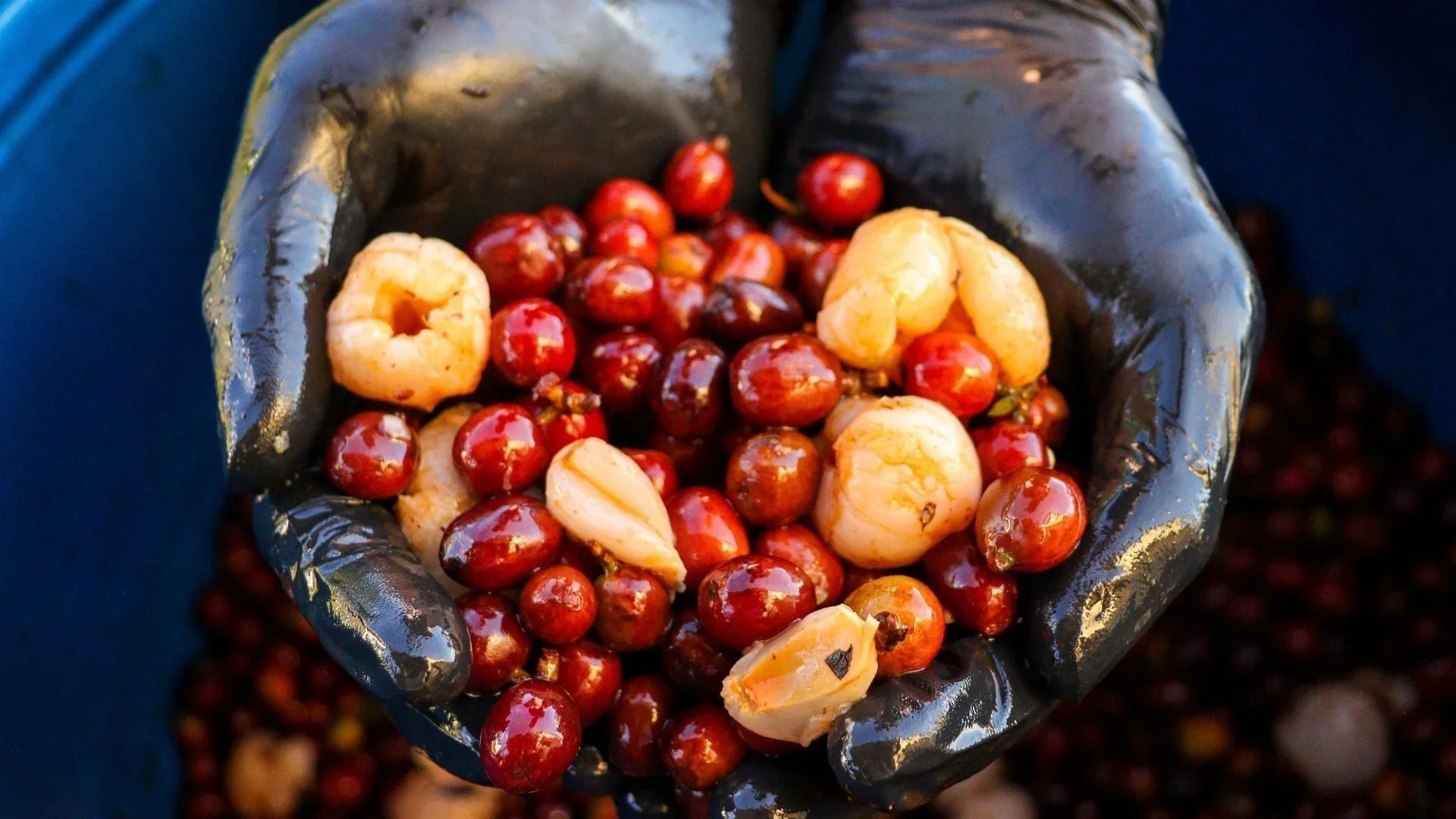
Perhaps the most controversial and creative method.
Producers add external ingredients to the fermentation tank, such as fruits, berries, cacao pulp, or spices.
Possible additions:
pineapple
mango
passion fruit
cacao pulp
citrus
berries
The goal is to enhance or complement the natural flavor of coffee through enzymatic and microbial interaction.
Flavor Profile
extremely expressive
dessert-like character
strong fruit-driven aromas
Some see co-fermentation as innovation; others consider it too close to flavoring. Debate continues.
Extended Fermentation
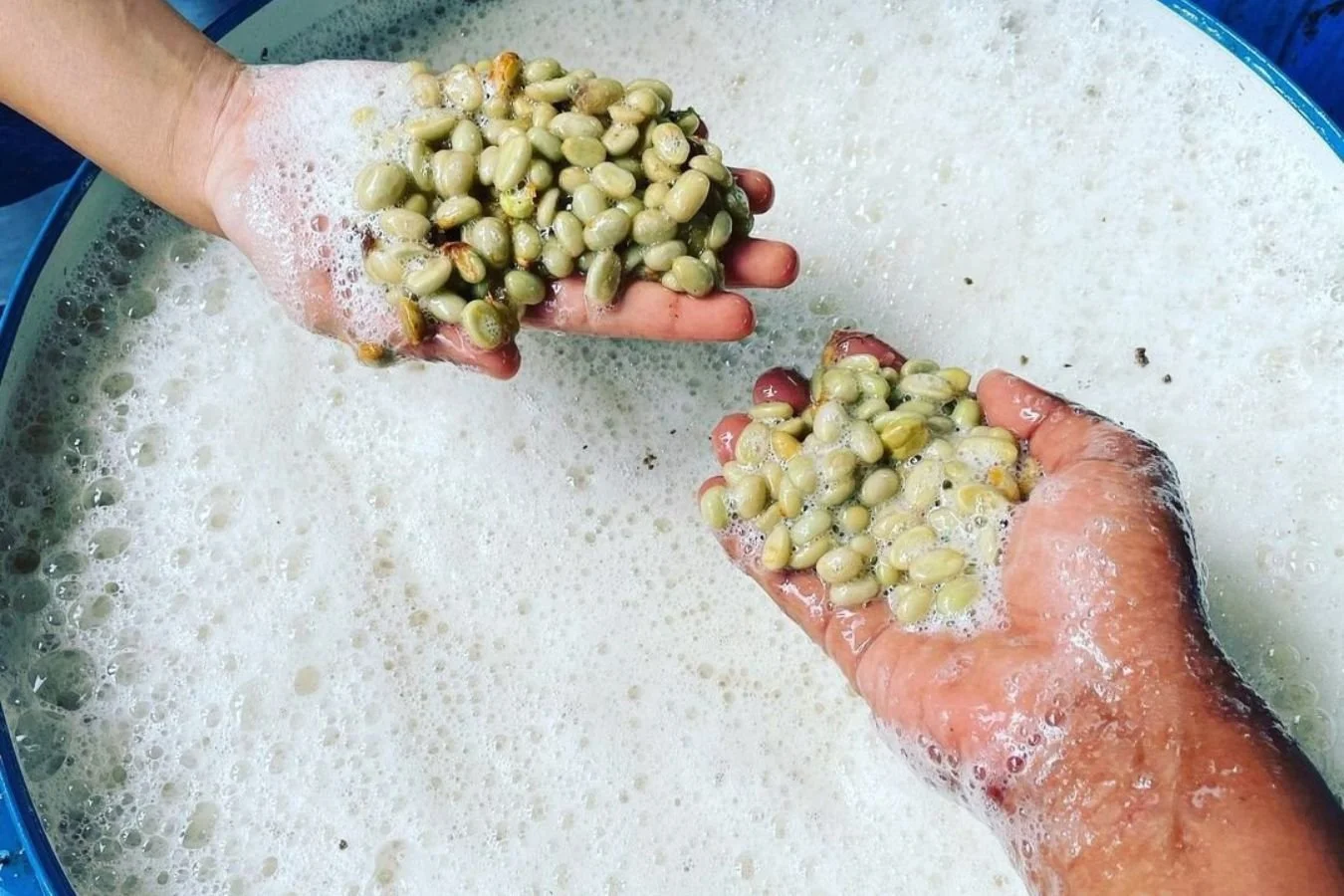
Some producers increase fermentation time far beyond traditional limits —
120, 240, 360 hours or more.
Sometimes the process includes multiple stages:
anaerobic fermentation
aerobic fermentation
resting at low temperatures
a second fermentation cycle
Flavor Profile
high aromatic concentration
alcoholic or wine-like notes
vibrant acidity
complex, layered structure
The method is risky: even a small deviation in temperature or pH can result in defects.
Frozen Cherry Processing
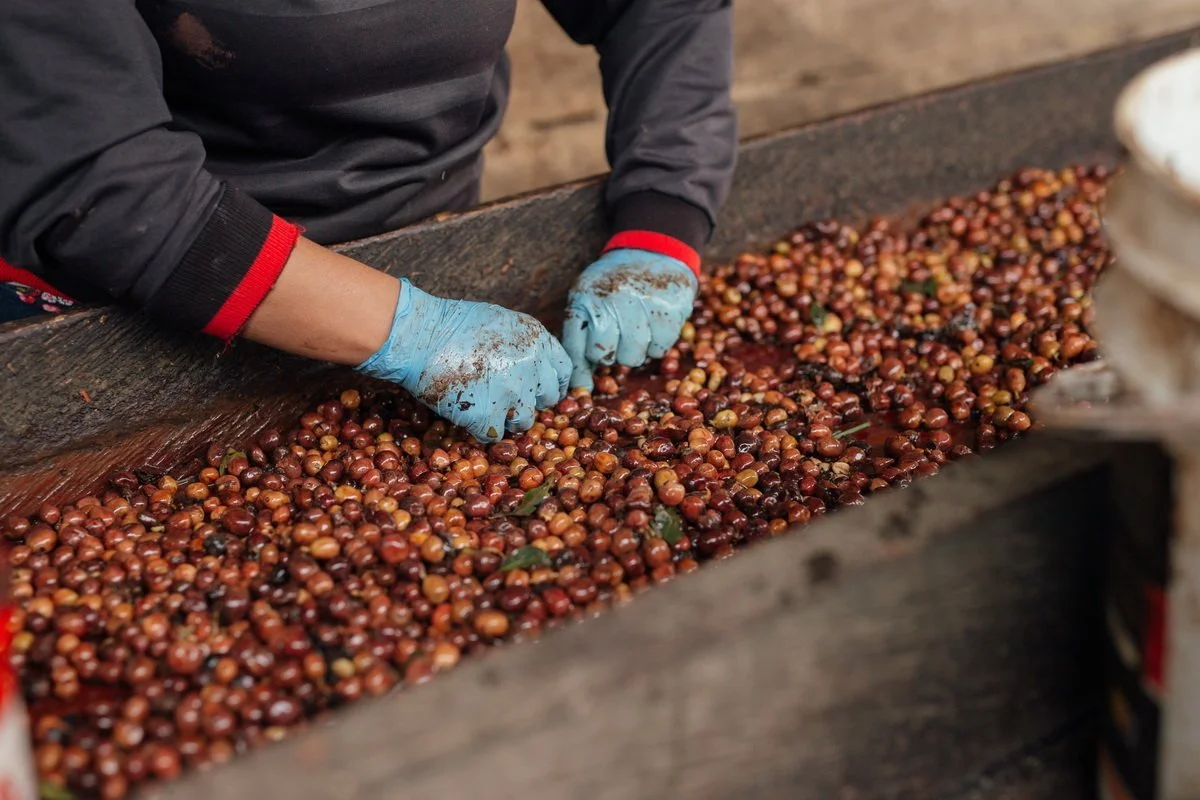
A relatively new method gaining momentum among experimental producers.
Fresh cherries are frozen immediately after harvest — sometimes for weeks or months.
Freezing breaks down cell walls, allowing sugars and acids to integrate more deeply into the seed.
After thawing, cherries may be:
fermented,
dried naturally,
or used in hybrid processing methods.
Flavor Profile
pronounced sweetness
intense fruit character
clean, bright structure
sometimes a jam-like or confiture quality
Combined Fermentation Methods (Aerobic → Anaerobic → Aerobic)
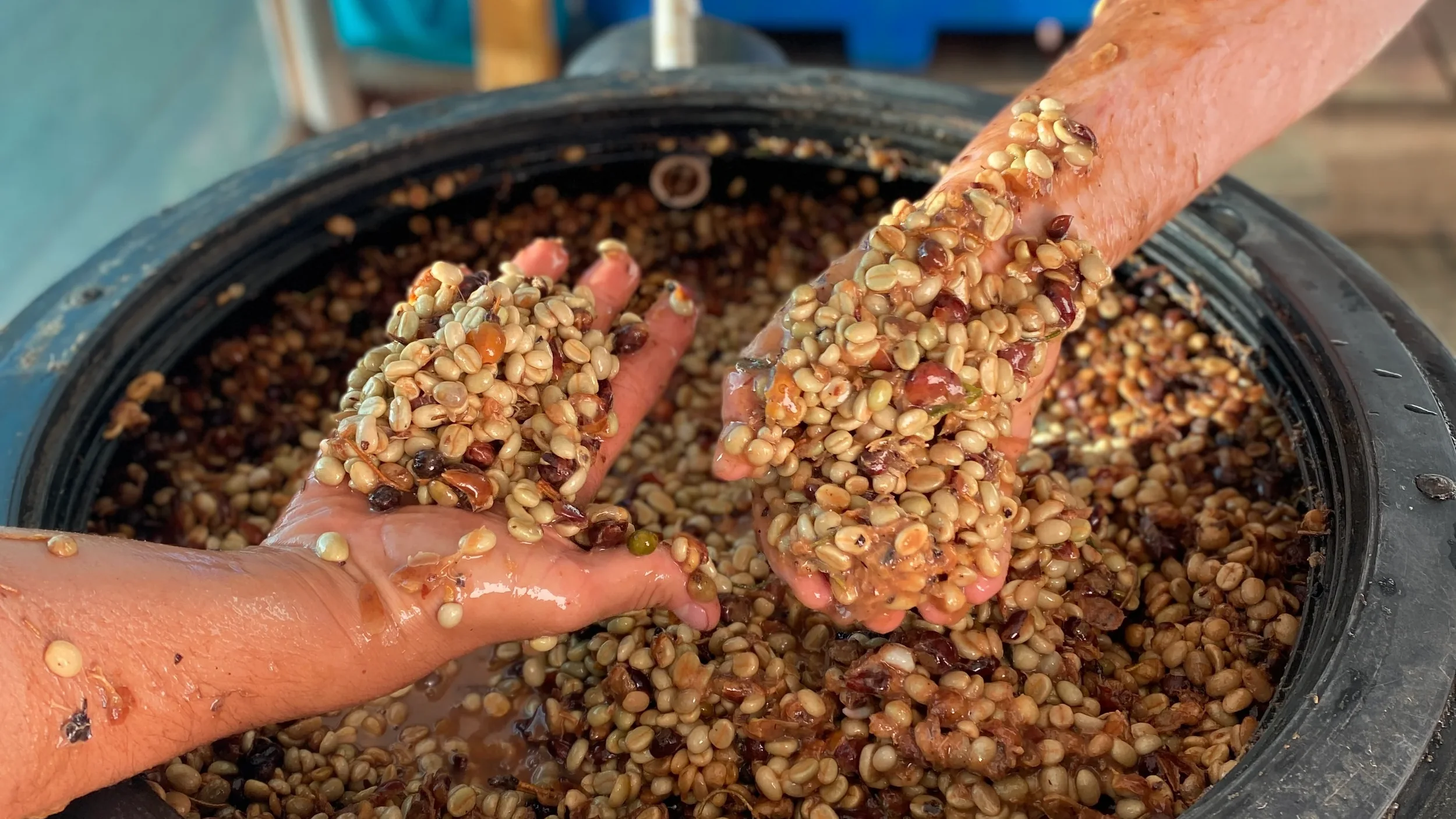
Producers increasingly experiment with switching between oxygen-rich and oxygen-free environments.
Example sequence:
several hours of aerobic fermentation
24–72 hours of anaerobic fermentation
a final aerobic stage
Each stage activates different microorganisms, creating a multi-dimensional flavor profile.
Flavor Profile
layered and evolving
changes noticeably as it cools
balance between fruit intensity and clarity
Trends and the Future of Coffee Processing
Experimental methods are becoming more scientific and more controlled. Key directions include:
real-time pH and temperature tracking
controlled microbial inoculation
fermentation under pressure
hybrid processing approaches
temperature-stabilized stainless steel tanks
precision-driven, replicable protocols
The industry is moving toward intentional, highly controlled fermentation, where producers can design a flavor profile rather than merely discover it.
