
What is hulling and why it matters
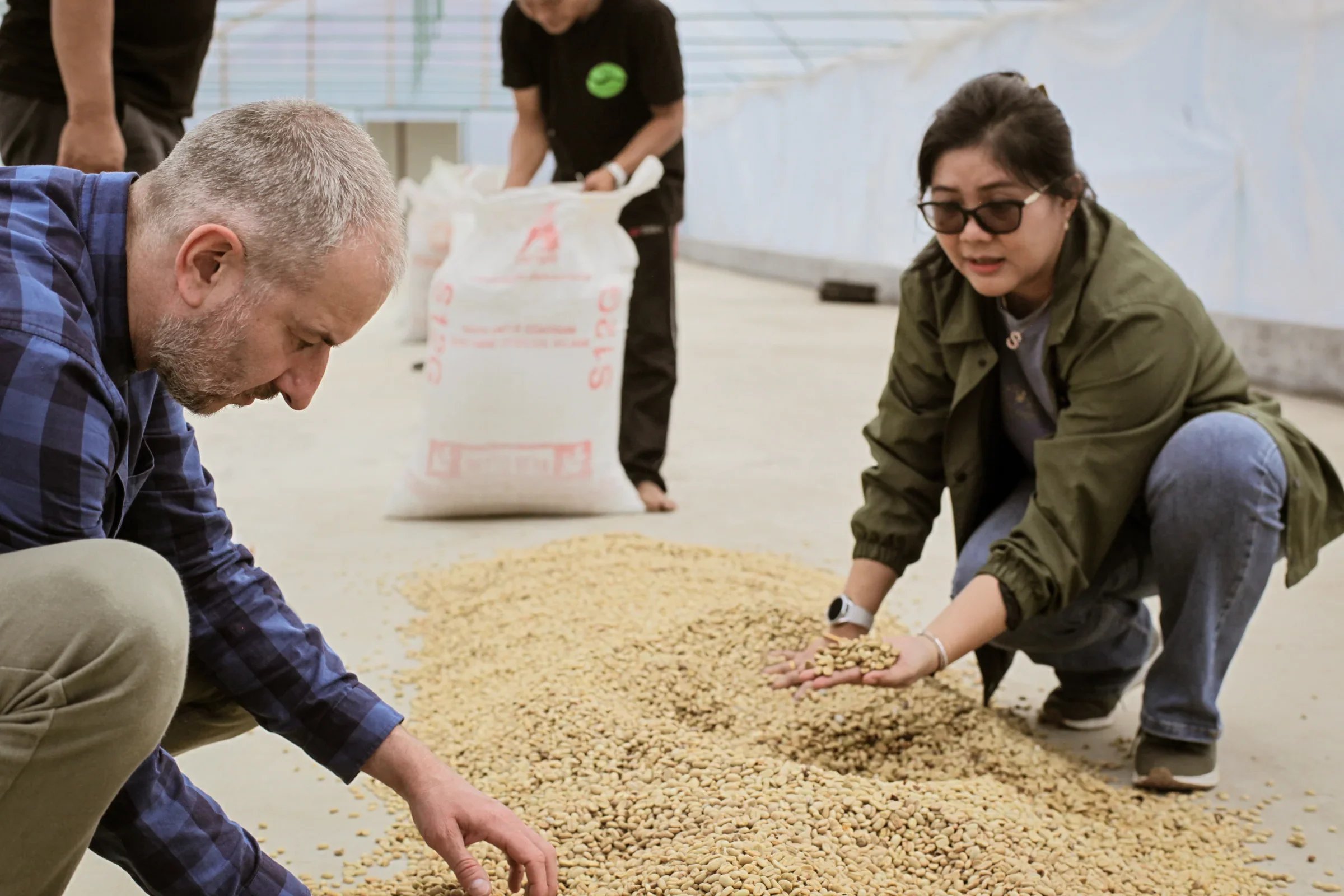
After processing and drying, coffee beans are still not ready for roasting.
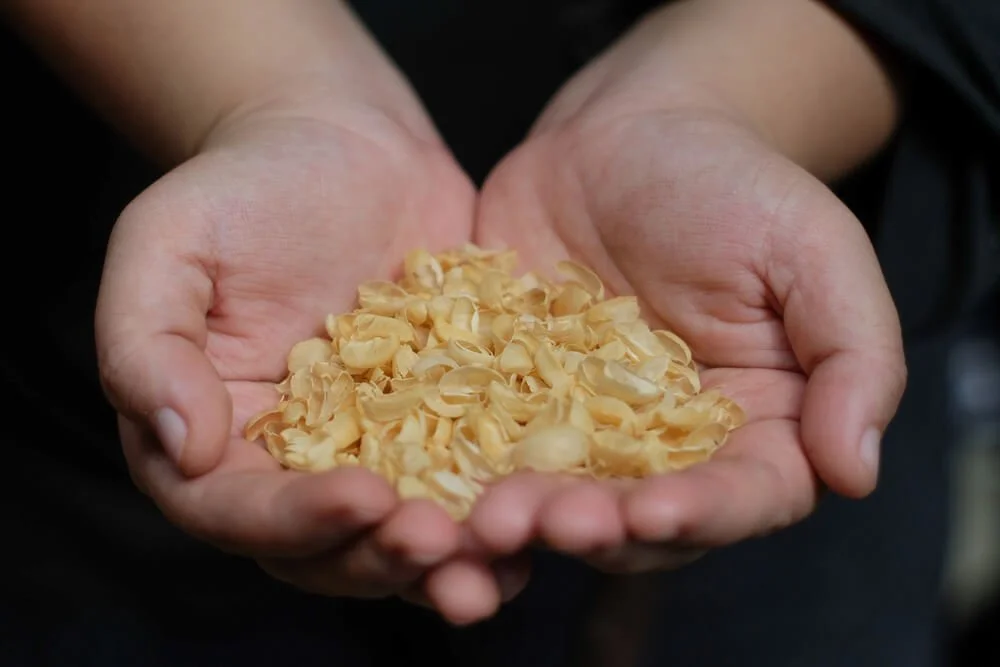
At this stage, they are covered with a protective layer known as parchment.
Parchment protects the seed from mechanical damage, moisture, and environmental fluctuations. However, before export and roasting, this layer must be removed.
The process of removing it is called hulling.
In this article, we explain how hulling works, why it happens at this specific stage, and which conditions are critical for preserving coffee quality.
Where Hulling Fits in the Coffee Process
The journey from coffee cherry to roasted bean consists of three key stages:
Harvesting and initial cherry sorting.
Coffee processing (natural, washed, honey, wet-hulled, and others).
Drying and hulling.
This article focuses entirely on the third stage — hulling.
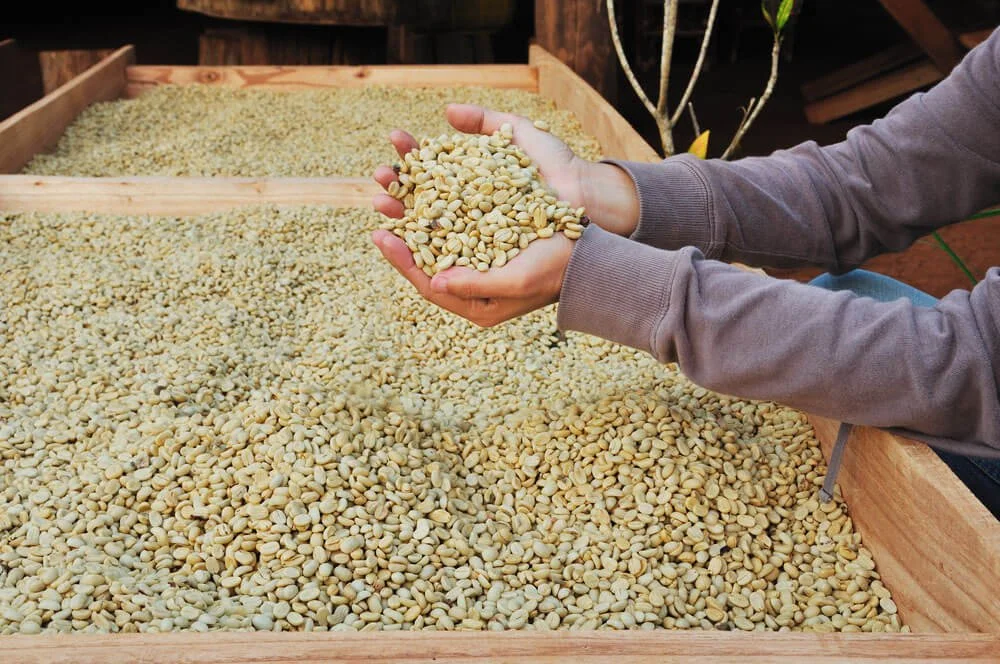
What Is Hulling
After processing, coffee exists in one of two forms:
in parchment, after washed, honey, or semi-washed processing;
in dried cherry, after natural processing.
Hulling is a mechanical process that removes:
the parchment layer from washed and honey coffees;
the entire dried cherry from natural coffees.
After hulling, the result is green coffee beans, ready for grading, packing, and roasting.
Why Hulling Is Not Done Immediately
Although parchment must eventually be removed, hulling should not be done right after drying.
Coffee needs a resting period.
Once drying is complete, coffee is stored in warehouses to stabilize.
This period is often called resting or conditioning.
Depending on origin and logistics, coffee typically rests for one to eight months before hulling — often timed with export orders.
Moisture Content as a Key Factor
One of the most important parameters before hulling is moisture content.
After processing, moisture may reach 60–65%.
Before hulling, it should be reduced to 10–12%.
At this level:
biochemical activity slows down;
flavor compounds are preserved;
coffee remains stable during storage.
Moisture above 13% increases the risk of mold.
Below 9%, the seed embryo dies and the coffee ages rapidly.
How Hulling Works
Historically, parchment was removed by hand.
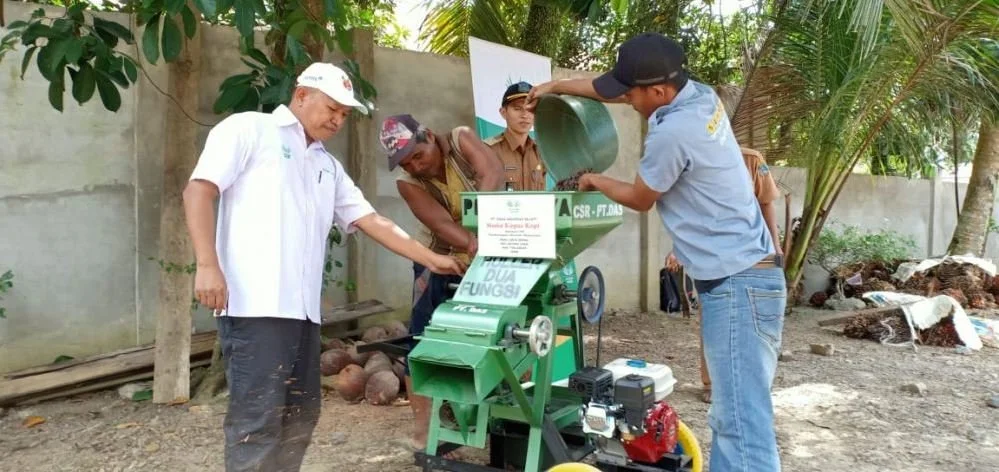
Today, hulling is done using specialized machines called hullers.
Hullers work through controlled friction:
beans pass through rotating components;
parchment flakes off;
green beans are released intact.
It is essential that:
machines are properly calibrated;
beans remain cool during the process;
friction removes parchment without damaging the seed.
Overheating during hulling can negatively affect flavor quality.
Defect Sorting After Hulling
Once parchment is removed, coffee is sorted to eliminate defects.
Despite modern technology, manual sorting remains the most reliable method.
Defective beans may include:
black beans;
broken beans;
sour or mold-affected beans.
Even a single defective bean can ruin the flavor of an entire cup.
Packaging and Preparation for Export
After sorting, green coffee is packed into GrainPro bags or similar protective packaging.
These bags:
protect coffee from moisture;
reduce oxidation;
preserve flavor during transport.
At this point, coffee is ready to be shipped to roasters around the world.
