
Why choosing freshly roasted coffee matters
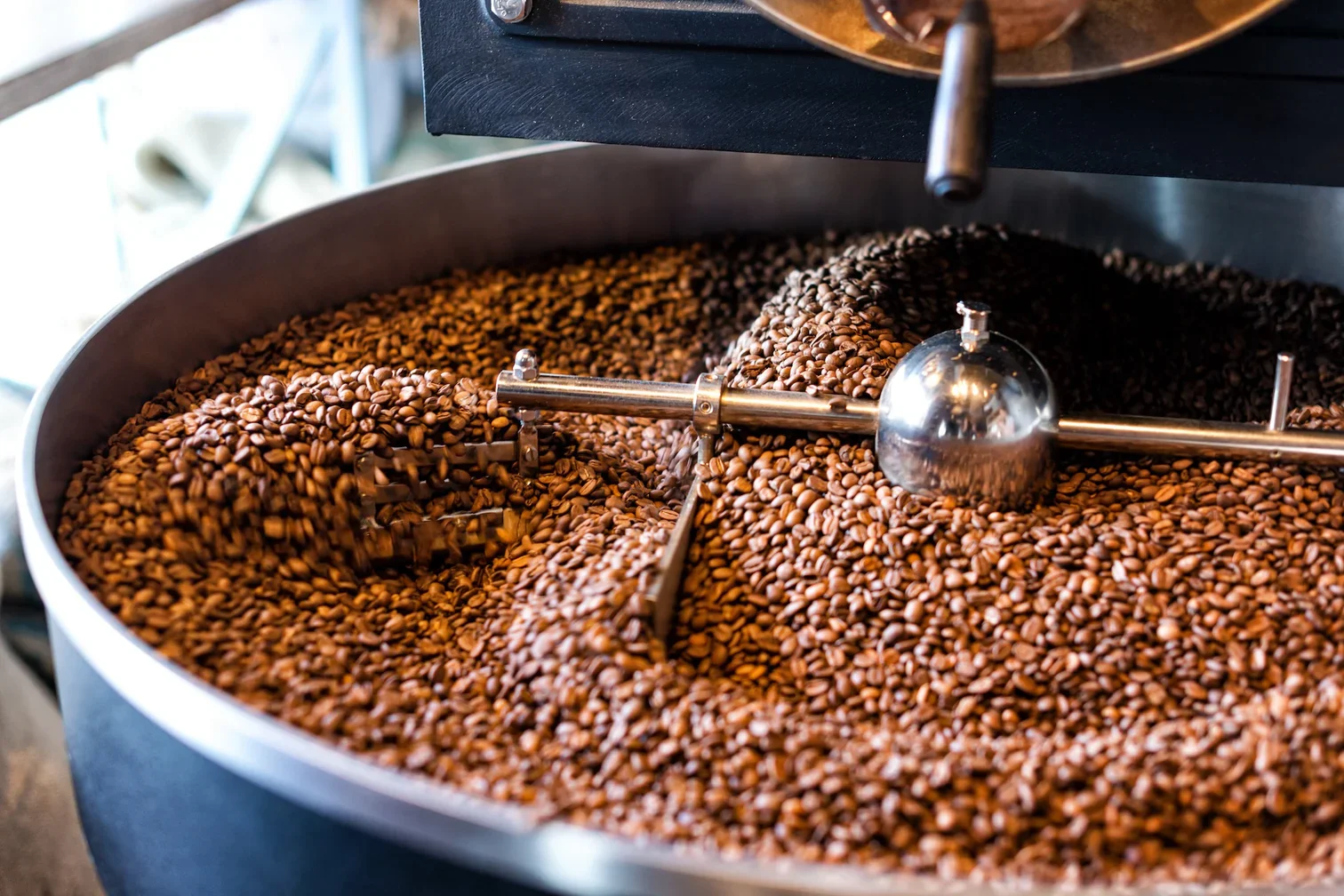
To make great coffee, it has to be fresh.
As coffee ages, its flavor becomes flat and dull, often developing an unpleasant bitterness. This happens because coffee quickly reacts with oxygen: aromatic compounds break down, essential oils evaporate, and the coffee slowly “goes stale.”
During roasting, coffee undergoes a wide range of chemical changes. Moisture content drops, Maillard reactions begin, sugars caramelize, and dozens of aromatic compounds are released and concentrated.
In this article, we explain what happens inside the bean during and after roasting — and why drinking freshly roasted coffee makes such a noticeable difference.
What happens to coffee during roasting
Roasting can be divided into three main stages.
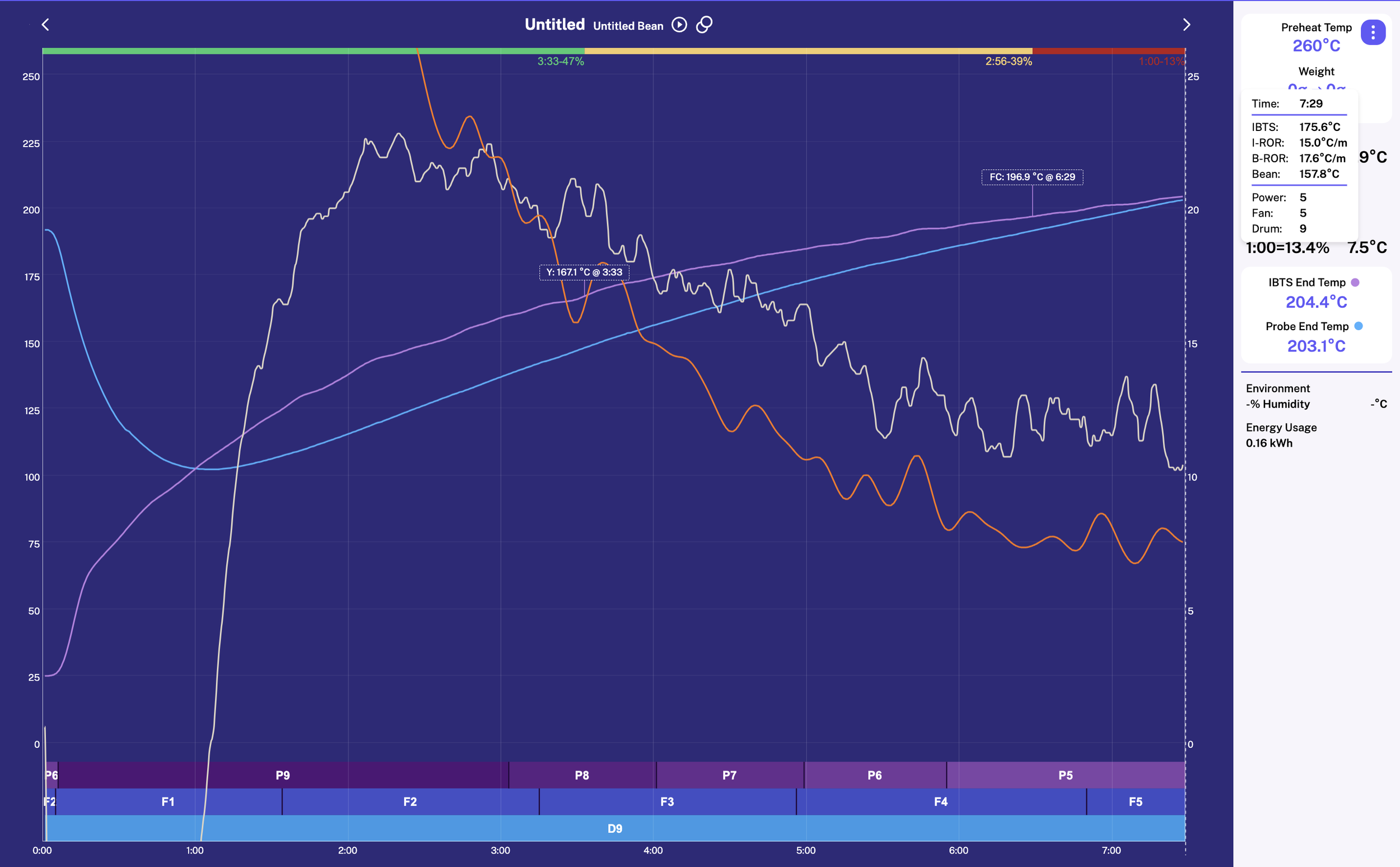
1.Drying phase
At the beginning of roasting, excess moisture evaporates from the beans. Temperature gradually rises to around 100 °C.
2.Maillard reaction
At approximately 140–160 °C, the Maillard reaction begins — one of the most important processes responsible for coffee’s flavor, aroma, and color.
Amino acids react with sugars, creating hundreds of aromatic compounds.
The most important groups include:
furans, which contribute sweet, caramel-like flavors;
pyrazines, responsible for floral and nutty notes;
ketones, which add body and a creamy mouthfeel;
coffeeol, the compound that gives coffee its distinctive aroma.
As a result of the Maillard reaction, coffee beans turn brown, essential oils are released, cellular structures break down, and glucose levels decrease.
3.Caramelization
Starting around 170 °C, caramelization of sugars occurs. This stage produces familiar aromas such as chocolate, nuts, spices, and caramel.
By the end of roasting:
moisture content drops from 10–12% to about 3%;
beans become lighter and more porous;
aromatic oils become accessible on the surface.
There is a common belief that darker roasts contain less caffeine. In reality, caffeine does not burn off during roasting. Because the bean loses mass, caffeine concentration per gram actually increases.
What happens to coffee after roasting
Immediately after roasting, coffee beans begin releasing carbon dioxide trapped inside their structure.
Some producers allow coffee to rest before packaging to let excess gas escape, but this approach has serious drawbacks.
Roasted coffee is extremely hygroscopic. It quickly absorbs and releases moisture, easily takes on foreign odors, and begins oxidizing as soon as it comes into contact with oxygen. Oxidation destroys essential oils that are responsible for aroma and flavor intensity.
In simple terms, coffee needs to release CO₂ — but must not be exposed to oxygen.
If coffee rests unpackaged, gas escapes, but flavor intensity fades.
If coffee is sealed immediately without a valve, the package can inflate or rupture, allowing oxygen inside.
The solution is a degassing valve. It lets carbon dioxide escape while preventing oxygen from entering. Even so, coffee cannot be stored indefinitely — freshness still has limits.
How long coffee stays fresh and why
Freshly roasted coffee usually reaches its flavor peak between day four and day seven after roasting.
When stored in a sealed bag with a degassing valve:
flavor characteristics can be preserved for one to two months;
after that, the profile flattens and bitterness becomes more noticeable.
In an opened package:
whole beans stay fresh for about five to seven days;
ground coffee goes stale within hours.
Freshness is easy to recognize by aroma. Fresh coffee smells intense and expressive — even people without much coffee experience can notice the difference.
Light and medium roasts should not show oily spots on the surface; this is normal only for dark roasts, where oils emerge during roasting.
Why supermarket coffee is almost never fresh
Pre-ground coffee from supermarkets has virtually no chance of being truly fresh:
packaging usually lacks degassing valves;
coffee is often roasted and ground months before purchase;
the quality of green coffee is often low.
Even some specialty stores store beans in transparent containers and sell them by weight. This method is also problematic: containers are not airtight, beans are exposed to light, and the roast date is often unknown — sometimes even to the staff.
How to choose fresh coffee
The ideal choice is coffee that:
comes in opaque packaging;
has a degassing valve;
clearly displays the roast date.
The best window is 3–14 days after roasting.
Coffee roasted up to one month ago can still be acceptable if you don’t buy large quantities.
If more than six to eight weeks have passed, it’s better to look for something fresher.
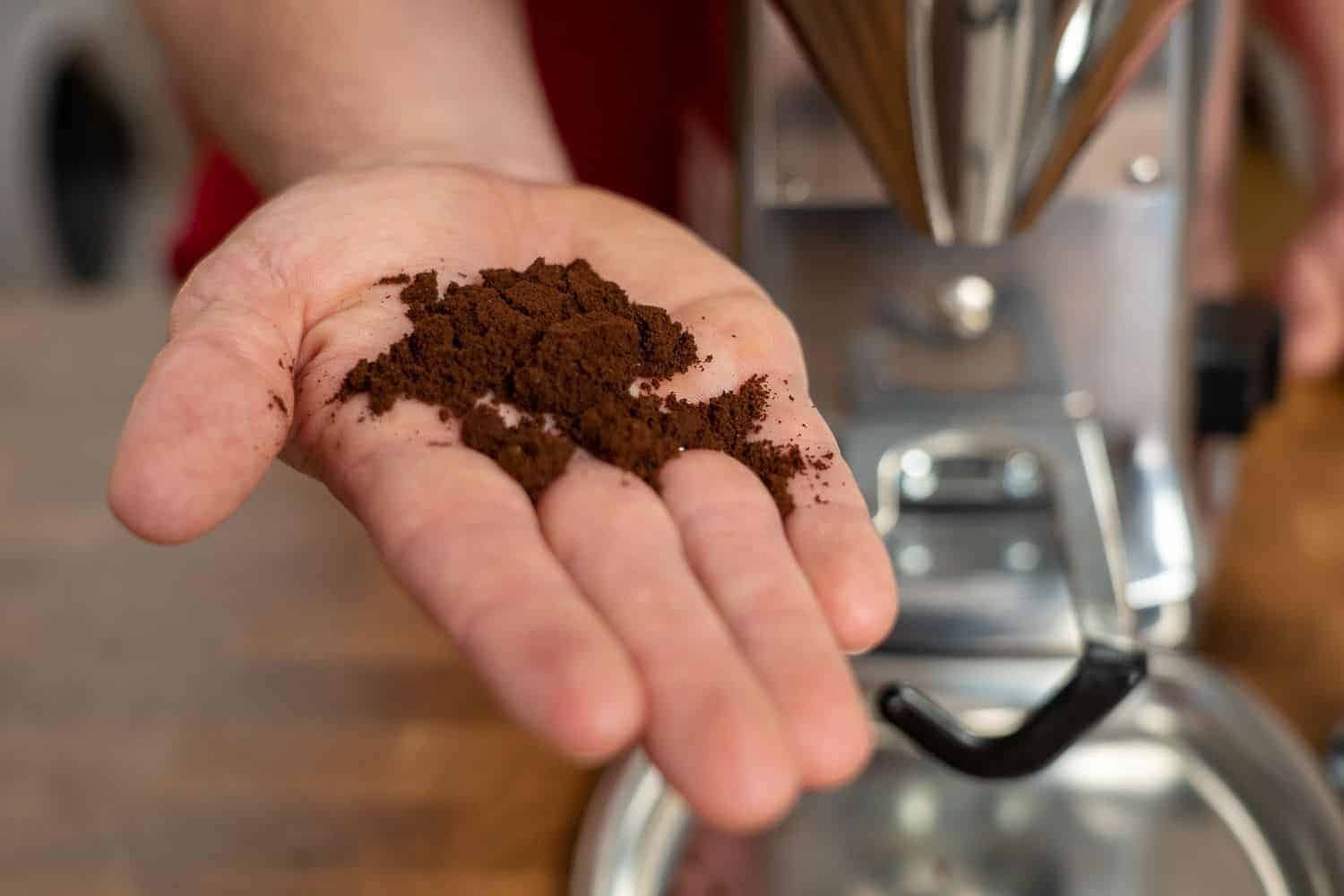
Ground coffee should only be purchased if you plan to drink it within a few days. Buying stale pre-ground coffee is never a good idea.
What to remember
Freshly roasted coffee always tastes better.
A degassing valve is essential.
The optimal age of coffee is from a few days to a couple of weeks after roasting.
Whole beans stay fresh far longer than ground coffee.
