
Classic coffee processing methods — PART 1
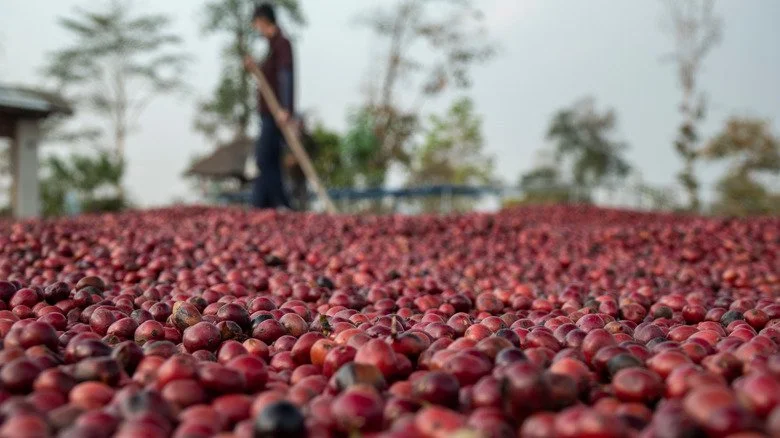
Introduction: Why Processing Matters
When a farmer picks ripe coffee cherries, they look nothing like the green beans we roast.
Between the fruit and the final bean lies a complex process of removing layers — the skin, pulp, mucilage, and parchment.
Originally, processing was simply a way to extract seeds from the fruit.
Today we know: processing has a huge impact on flavor.
The same harvest can produce:
a sweet, syrupy cup,
a bright, clean one,
a fruity and wine-like profile,
or a dense, earthy one —
depending on how much fruit remains on the seed and how fermentation is controlled.
The Structure of a Coffee Cherry

To understand processing deeply, read our full guide here:
👉 The Anatomy of a Coffee Cherry — A Simple Guide to a Complex Fruit
A coffee cherry has six layers:
skin
pulp
mucilage
parchment
silver skin
seed
Processing methods differ by which of these layers remain during drying — and that changes the flavor dramatically.
1. Natural / Dry Processing
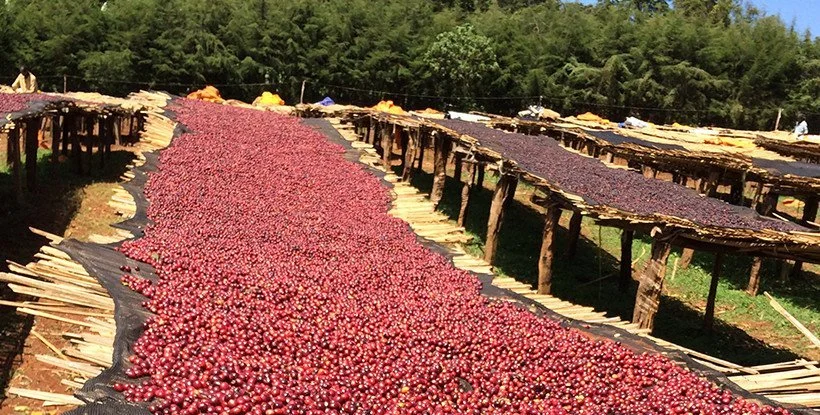
The oldest method → the sweetest results
Natural processing originated in Ethiopia and Yemen, where sun and dry air allow whole cherries to dry evenly.
How it works
cherries are spread thinly on patios or raised beds,
dried for 3–4 weeks,
turned regularly.
The cherry dries whole, and sugars slowly migrate into the bean.
Flavor
high sweetness
thick body
fruity or wine-like notes
Pros
eco-friendly (no wastewater)
inexpensive in dry climates
very sweet, expressive profiles
Cons
high risk of defects in humid weather
requires constant labor
impossible in very wet climates
2. Honey, Pulp Natural & Semi-washed Processing
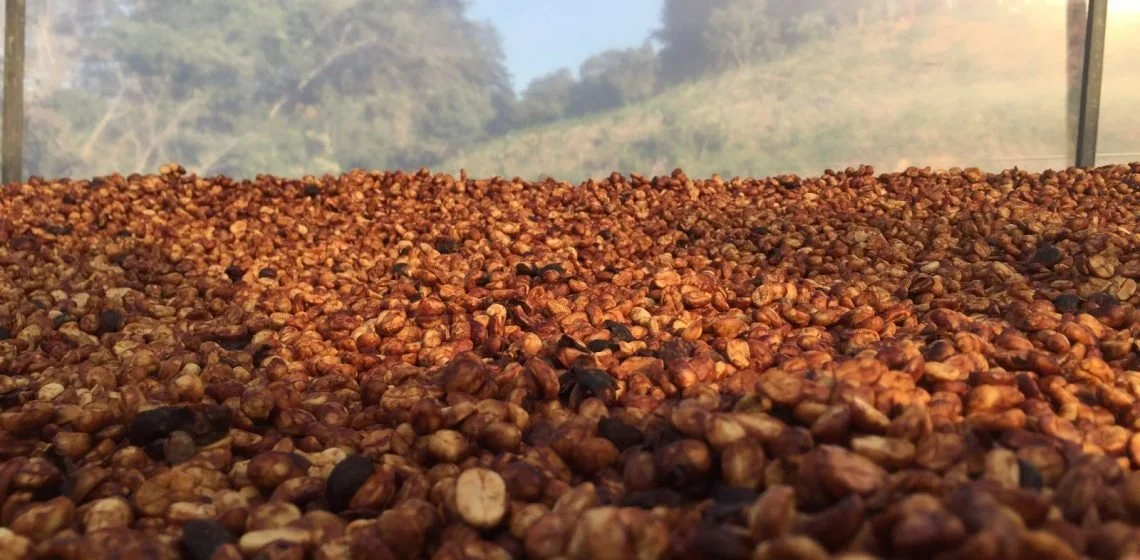
One category — dozens of flavor profiles
Honey processing keeps some pulp and mucilage on the bean during drying.
The more mucilage left, the slower the drying and the sweeter the cup.
Here are the main types:
White Honey
Yellow Honey
Red Honey
Black Honey
Pulp Natural
Semi-washed
White Honey — the cleanest
Minimal mucilage → fast drying → low risk.
Flavor: bright acidity, light sweetness.
Yellow Honey — balance
Moderate mucilage → clean but sweet.
Flavor: citrus, fruit, balanced sweetness.
Red Honey — rich and sweet
Much more mucilage → slower drying → deeper taste.
Flavor: berries, red fruit, fuller body, light wine notes.
Black Honey — the most intense
Maximum mucilage, slow drying in shade.
Flavor: wine-like, boozy, deep fruit, syrupy body.
Pulp Natural — Brazilian classic
Similar to honey, but more mechanical and faster.
Flavor: sweet, soft, balanced — great for espresso.
Semi-washed — mechanical honey
Demucilators remove most mucilage.
Flavor: clean, sweet, consistent.
3. Washed / Fully Washed Processing
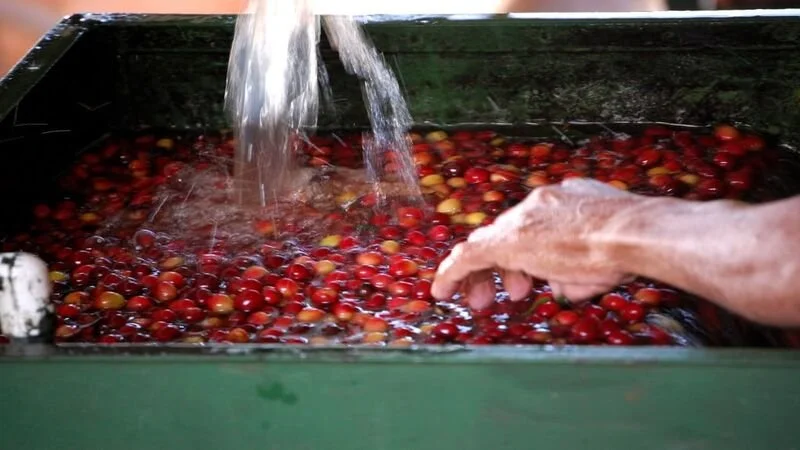
Cleanest and most predictable
Created in wet climates where whole cherries could not dry properly.
Steps
depulping
fermentation to break down mucilage
washing
drying the parchment
Flavor
bright acidity
clean and transparent
Pros
stable
fast
very clean flavor
Cons
large volumes of wastewater
4. Wet-hull / Giling Basah
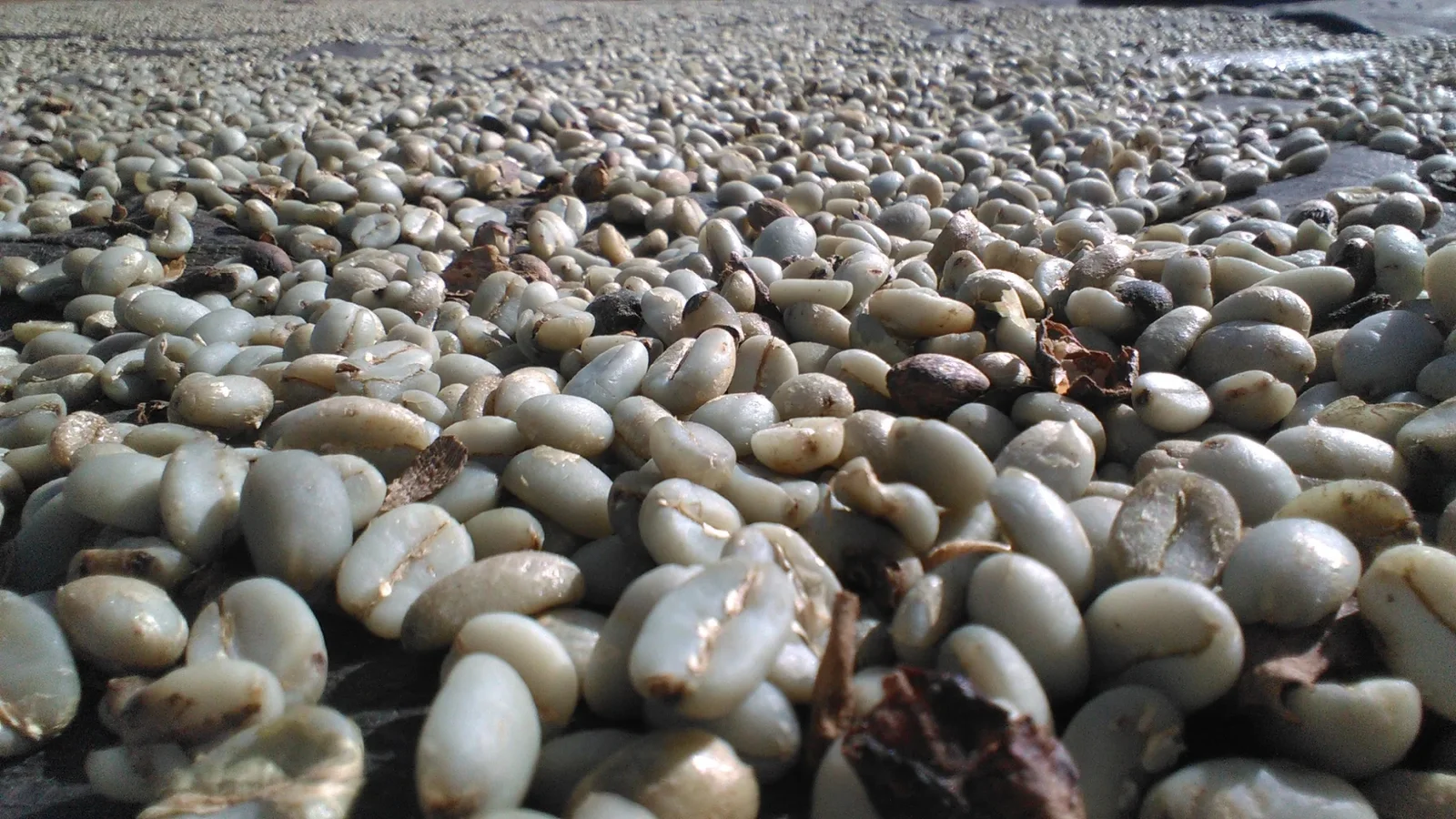
Ultra-fast method for humid regions
Popular in Indonesia.
How it works
depulping and light fermentation
drying only to 20–24% moisture
early hulling
drying the exposed bean
Flavor
earthy
herbal
heavy-bodied
Pros
fastest processing method
works in very humid climates
Cons
high defect risk
beans age faster
